
Pants on Fire
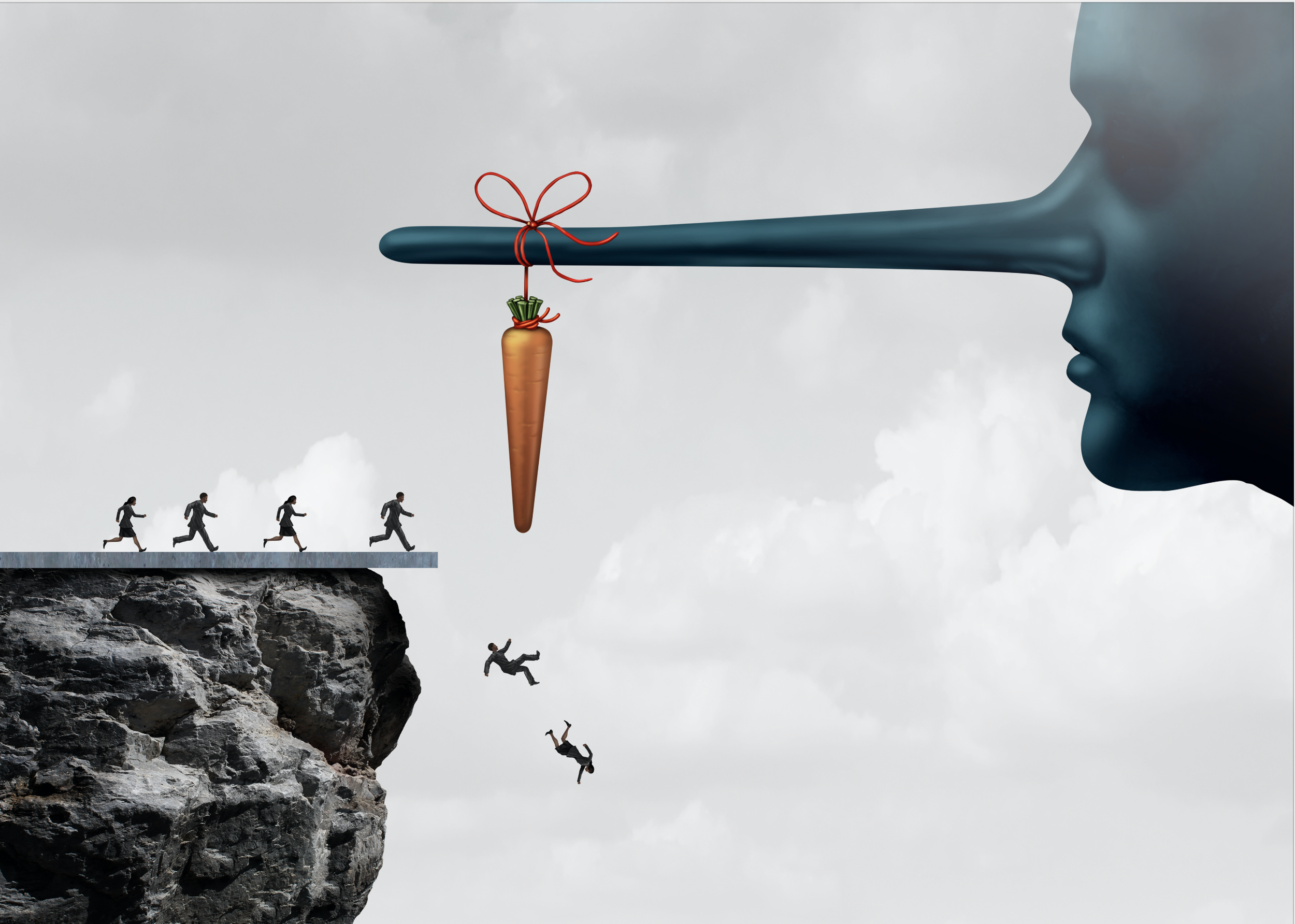
When I was 9 or 10, there was a kid in my class called ___________ who said he had a sword in his desk. He refused to show us, saying if the teacher caught him they'd call the police. Earning himself some newfound peer points (at least from the boys), our initial fascination soon turned to niggling suspicion when he outright refused to let anyone so much as peek, despite a steady stream of cajoling. Eventually we overwhelmed his protestations and forced his desk open. Nothing. To his credit ___________ knew how to pivot and without missing a beat, met our semi-unsurprised but still disappointed expressions with “IT'S INVISIBLE!”. Whilst the majority heckled his shameless attempt at social climbing or peeled off disinterested, one or two suckers were even more intrigued than before. “An invisible sword?! Woh!”
___________ had all the answers – He got it from his uncle who'd trained with Bruce Lee.... It could cut through TEN bricks in one go.... Of course no one else could touch it – you wouldn't know where the handle was and you'd cut your hand off....
He was able to parlay his bizarre lies into classroom notoriety, which ultimately he found preferable to obscurity. If nothing else, his boasts were fitfully entertaining and held sway with a select few younguns too free of guile to completely rule out the possibility a 10 year old boy in Dover had an invisible sword. At a time when every last one of us desperately wanted a Super Nintendo, ___________ convinced Barry Townsend he'd built himself one.... out of Micro Machines. Barry's disappointment was palpable when he returned from a playdate which featured neither Micro Machines nor a Super Nintendo, let alone one made from the other.
I look back fondly now on that golden age of dishonesty, years before we'd even heard of the internet. “Fake news” didn't routinely undermine democracy or incite widespread social polarization; it just left Barry Townsend heartbroken he didn't get to play Super Mario Bros on a 1/87th scale Ford Mustang.
Our world's an altogether different place now, in part because so much of it occurs online. We have the ability to organise our lives around the near-limitless information at our fingertips but so much of it is unreliable, unverified and downright unsavoury. Google, Facebook and Insta are incredible tools for modern life; embraced by billions, useful and entertaining, but primarily profit-driven. Our likes, our search history, our purchases, our followers and our friends. Every single foray online leaves a digital footprint. Our data is mined and sold to advertisers whose popups, notifications, sidebars, banners, search results and “suggestions” are ultimately designed to influence us towards spending. We're numbers on a spreadsheet, calculations in an algorithm. WE are the product.
Businesses understand this. From influencers to start ups to online entertainment and information platforms, more clicks equate, at least superficially, to increased clout. More sponsorship, more advertising revenue, more online cache with potential customers.
Unfortunately not everyone today is prepared to earn those clicks with experience, hard work and organic reputation-building. Not when you can simply pay for them. Your product may be shoddy, your service shocking or your start-up a non-starter, but a click-farm in Eastern Europe will happily take your coin to bombard you with faux interest and before you know it, the illusion of success you've created has several Barry Townsends coming round to play on the games console you don't actually have.
Currency these days is not so much having an invisible sword, but merely convincing a Barry or two that you do. Whether Barry is a schoolmate impressed by your 2000 new instagram followers, the spending public, misled about your business credentials or advertisers unwittingly using your online platform to market to bots and barely-paid, wholly indifferent workers in far flung countries, the house of cards is ultimately a waste of time, resources and bandwidth.
For those less cynically investing their money in genuine customer acquisition, marketing platforms such as Facebook and Google Ads use sophisticated analytic tools to try to prevent clients' advertising budgets being decimated by irrelevant traffic. Nevertheless, it's estimated up to 30% of all clicks on PPC (pay per click) ads are coming from “bots and organised criminal botnets” (“Organised. Criminal. Botnets.”?? I'm not even making this shit up. This is where we are now...) Competitors and brand-haters eat up a few more percentage points with malicious clicks and suddenly even Google, the most popular kid in school, might be inviting you to playdates on the pretence of Micro Machine Super Nintendos they can't possibly hope to deliver. So up spring new tech solutions such as ClickCease, an app which implements “advanced machine learning algorithms” to separate fraudulent clicks from genuine potential customers. Looks good. Website's slick. Customer reviews are on point... But now we can't help but doubt everything online. Are those reviews real?? Is”Stacy M.” an actual person who will “definitely be continuing” with the ClickCease service or is Stacy M actually Rob in programming? Surely they couldn't just LIE??.... Why the hell not? The Prime Minister does. The President does. Look what's happened - honesty's become a naïve ideal. Organised criminal bots are running things and impoverished humans are being farmed for clicks. Bet you an invisible sword they're not free range either.
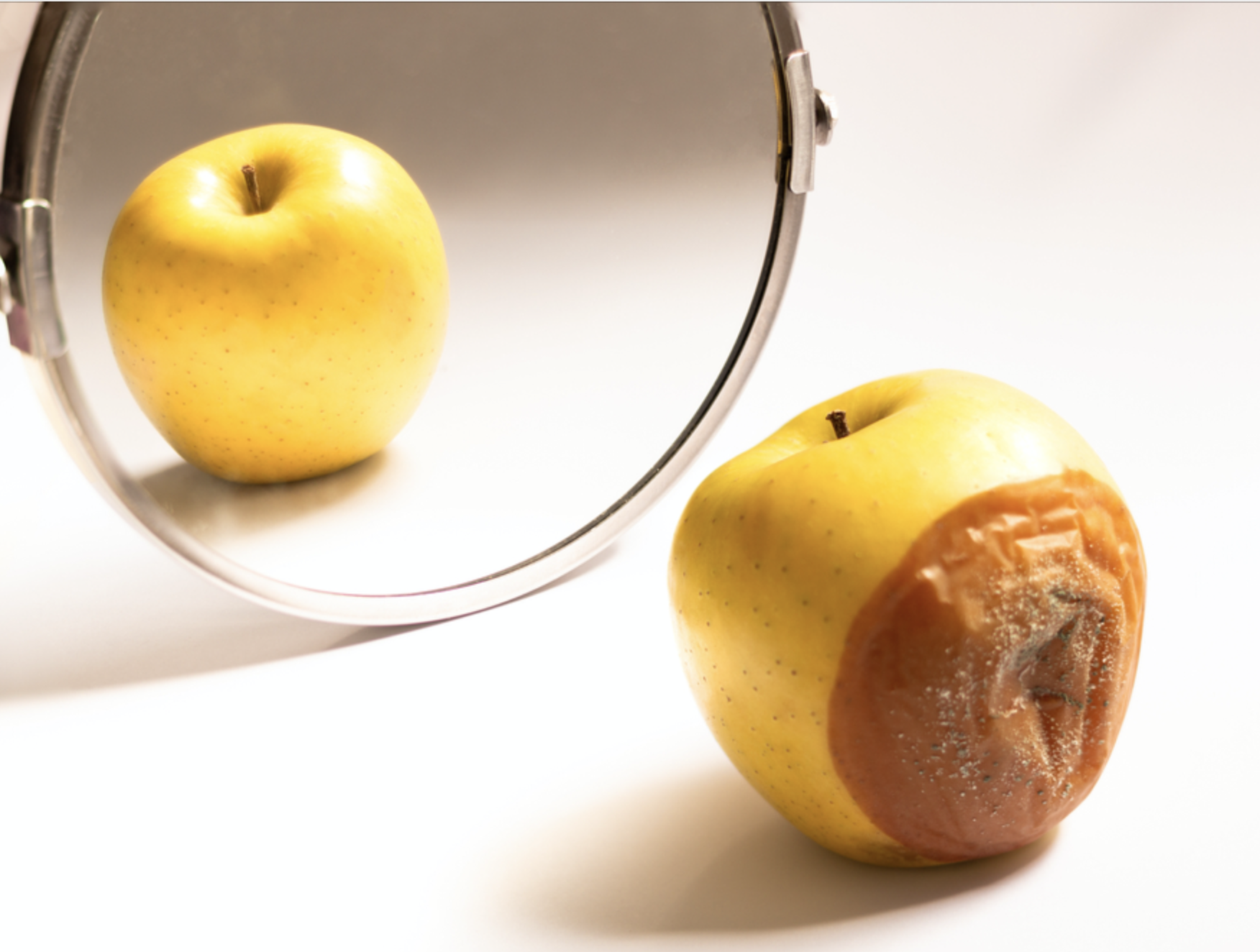
Of course not everyone's peddling bullshit but it can''t hurt to have your detector on next time you invest your time or money online.
Don't be Barry.
Ian Greenland
___________'s name was hidden to preserve his anonymity.
Barry Townsend's name wasn't because it'd have been too confusing to have two ___________s.